SMS Marketing
April 25, 2026
TheSMSBox Team
Top Platforms for WhatsApp Marketing & Automation in 2026
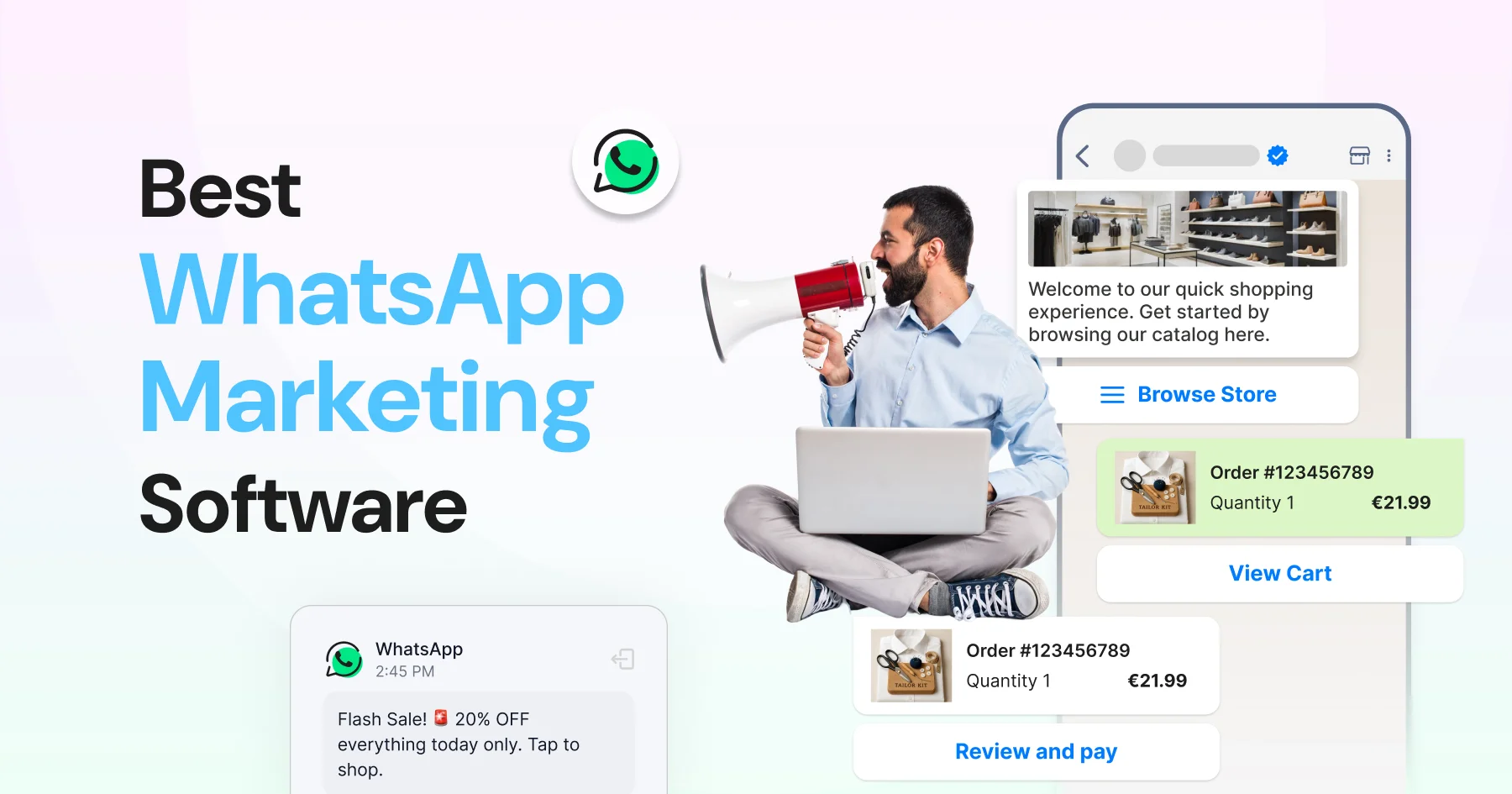
Instead of chasing clicks or competing in crowded inboxes, businesses are now shifting towards WhatsApp marketing software to connect with customers where they already spend their time.
Today, it’s being used to share offers, send updates, resolve queries, and even close sales. Every message feels like a personal conversation rather than a generic broadcast.
Imagine a café sending exclusive loyalty discounts to regular customers, an eCommerce store recovering abandoned carts, or a travel brand instantly confirming bookings. All of this is powered by smart, personalized WhatsApp messaging that keeps customers engaged and coming back.
This is exactly where WhatsApp marketing software plays a crucial role. But how does it actually work? And why is it transforming the way brands communicate? Let’s explore.
What is WhatsApp Marketing Software?
WhatsApp marketing software is a tool that enables businesses to reach, engage, and support customers at scale using WhatsApp.
Instead of manually messaging every contact, these platforms allow you to automate campaigns, manage conversations, and track performance—all from a single dashboard.
Think of it as your marketing assistant inside WhatsApp. You can send product updates, promote new launches, recover abandoned carts, and even send payment reminders.
Most tools also offer features like automation, broadcast messaging, audience segmentation, and chatbot builders. These features make it easier to create personalized, two-way conversations that drive engagement and sales.
How to Use WhatsApp Marketing Software?
Using WhatsApp marketing software is simpler than it seems. The goal is to make every customer interaction more direct, personalized, and efficient.
1. Get WhatsApp Business API Access
To use any WhatsApp marketing software, you need access to the official WhatsApp Business API.
This involves verifying your business number and connecting it with an API provider. Once approved, you can send bulk messages, automate workflows, and manage conversations while staying compliant with Meta’s policies.
2. Set Up Your Business Profile
Connect your verified WhatsApp number to the platform and complete your business profile with your brand name, logo, and details. This builds trust and credibility.
3. Import or Sync Contacts
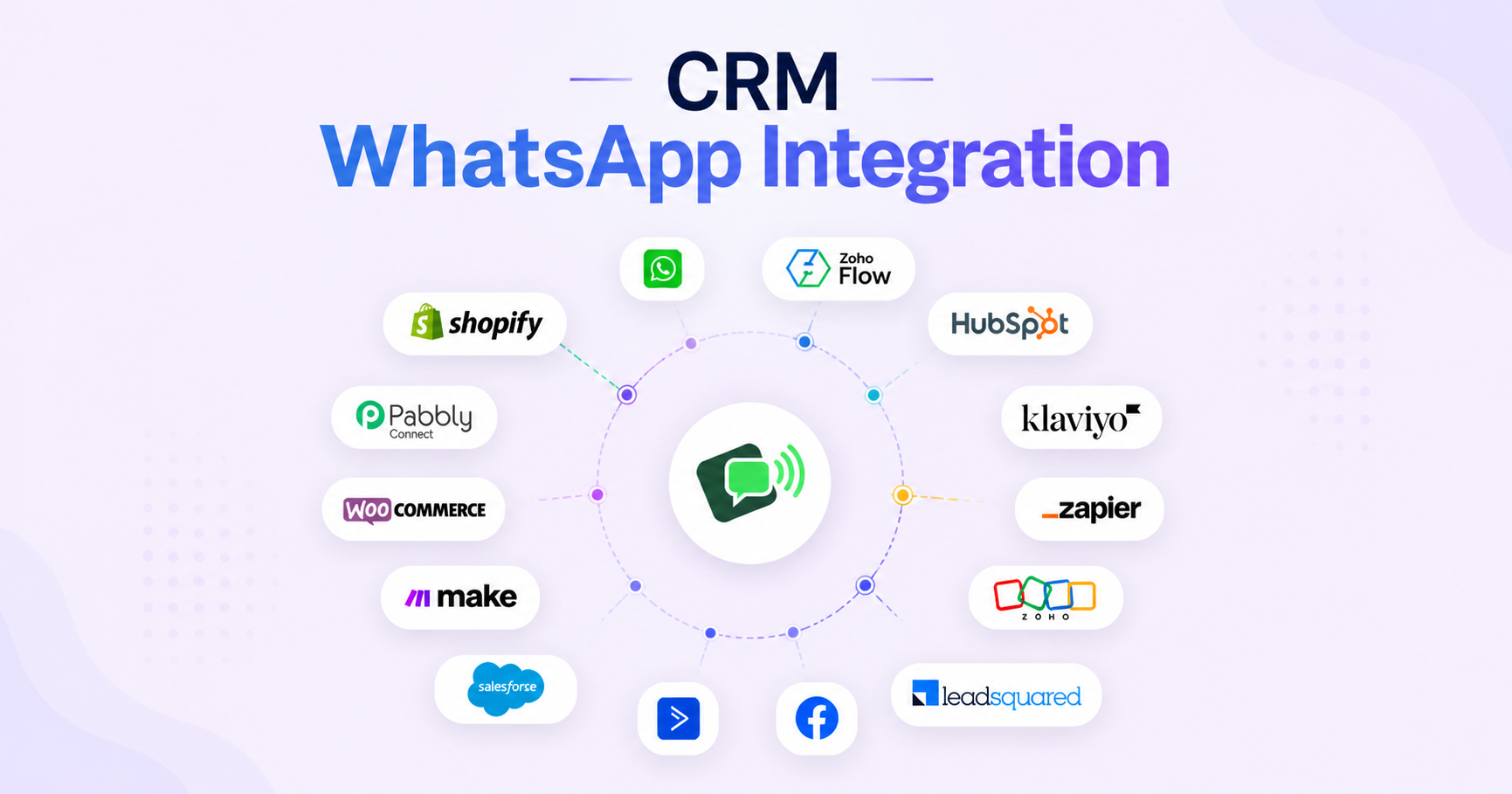
Sync your customer data from your CRM, website, or eCommerce store. Most tools allow you to segment users based on behavior, location, or engagement level.
4. Create Message Templates
All outbound messages require pre-approved templates. You can create templates for order confirmations, reminders, promotions, and updates.
Add personalization tags like {{name}} or {{order_id}} to make messages feel tailored.
5. Automate Campaigns
Automation is where the real power lies. You can trigger messages when users sign up, abandon carts, or complete purchases.
With platforms like TheSMSBox, you can also schedule broadcasts and run recurring campaigns effortlessly.
6. Track Performance
Analyze delivery rates, open rates, and response rates. This helps you understand what’s working and refine your campaigns accordingly.
7. Engage in Real-Time Conversations
Beyond automation, you can manage one-on-one conversations through a shared inbox. Teams can respond instantly, assign chats, and maintain a personal touch—even at scale.
Best WhatsApp Marketing Software for Businesses
With so many tools available, choosing the right one can be overwhelming. The ideal platform should match your business goals—whether it’s automation, engagement, or customer support.
Below are some of the best options available today:
1. TheSMSBox
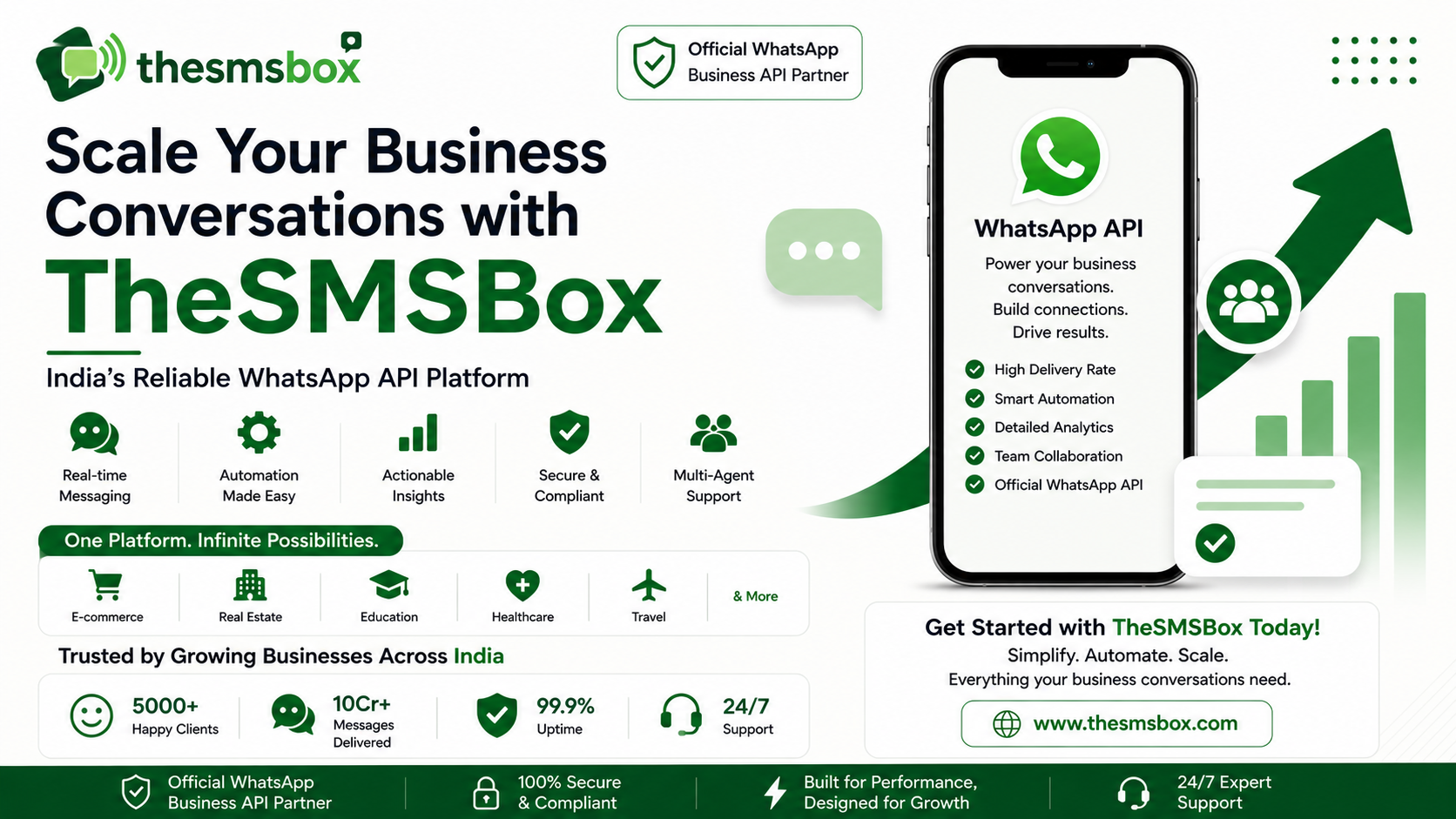
TheSMSBox is a powerful WhatsApp marketing platform designed for growing businesses that want to drive revenue through conversations.
It combines marketing, sales, and support into one unified system, helping businesses take the right action at the right time—whether it's converting leads or retaining customers.
Instead of treating messaging as a separate channel, TheSMSBox connects every interaction to measurable business outcomes.
It offers a unified inbox, no-code automation, AI-powered support, customer data management, and detailed analytics—all in one place.
You can also manage campaigns and conversations on the go using its mobile-friendly interface.
Key Features:
Shared team inbox for multi-agent communication
No-code chatbot and automation builder
Click-to-WhatsApp Ads integration
AI-powered support assistant
CRM and eCommerce integrations
Audience segmentation and campaign tools
WhatsApp Flows for lead capture and surveys
Pricing:
Flexible pricing plans based on business needs.
(Rest of tools section remains mostly same, only minor tone polish applied if needed)
What to Look For in WhatsApp Marketing Software
Choosing the right platform depends on your business needs and growth goals.
Here are key factors to consider:
Ease of Use: Should be simple to operate without technical expertise
Automation Capabilities: Must support workflows, triggers, and chatbots
Integrations: Should connect with CRM, eCommerce, and analytics tools
Scalability: Must handle growth in users and message volume
Compliance & Support: Ensure it follows WhatsApp policies and offers reliable support
If you're looking for a balance of simplicity, scalability, and performance, TheSMSBox stands out as a strong choice for growing businesses.
Start Growing with WhatsApp Marketing
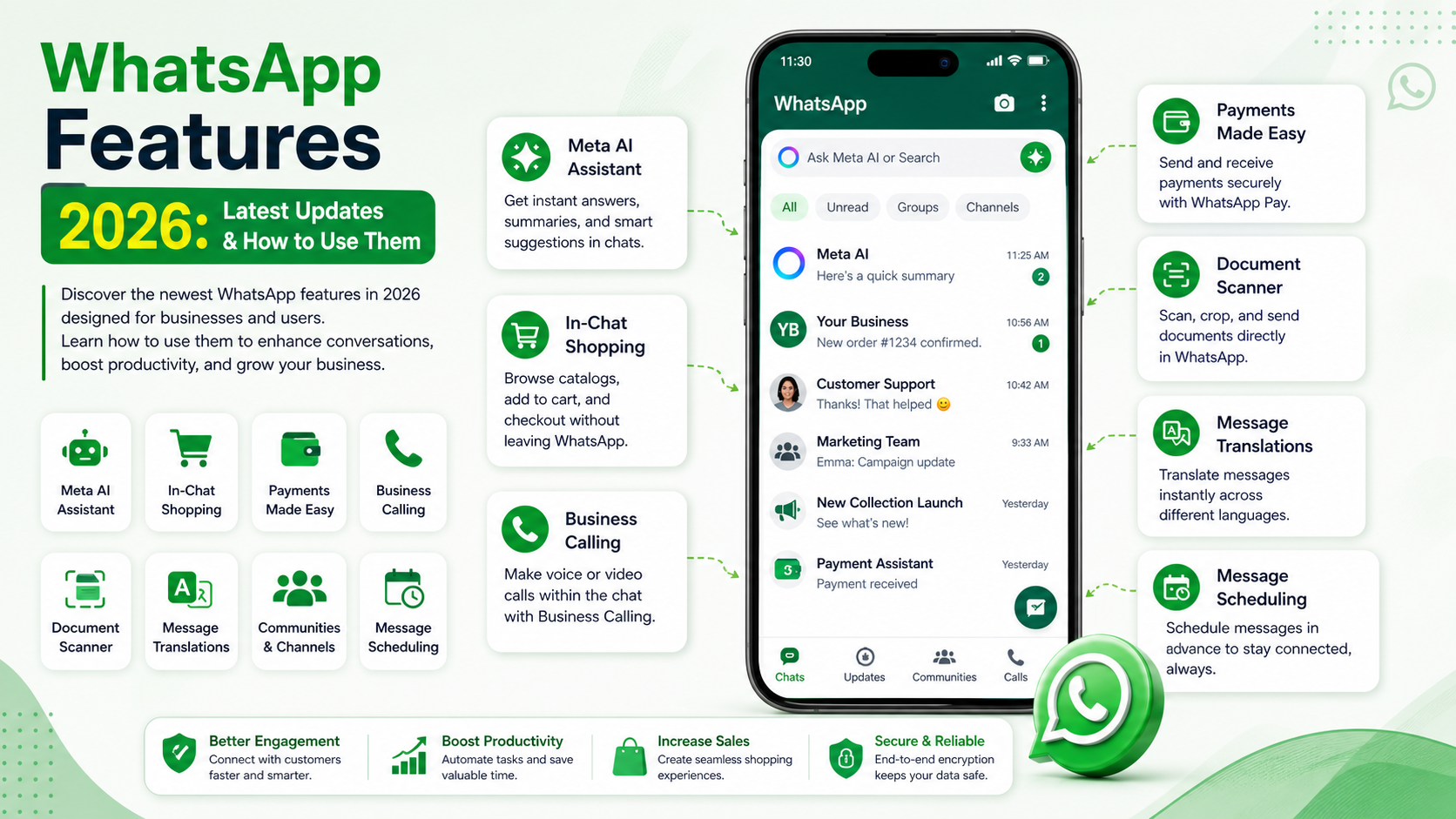
As WhatsApp continues to evolve with features like Flows, payments, and AI automation, having the right software gives you a competitive advantage.
It allows you to engage faster, automate smarter, and build stronger relationships with your customers.
With platforms like TheSMSBox, you can manage campaigns, automate responses, and handle conversations—all from one place.
If you're ready to take your WhatsApp marketing to the next level, now is the perfect time to get started.
FAQs
1. What is WhatsApp marketing software?
It’s a tool that helps businesses send messages, run campaigns, and manage customer conversations on WhatsApp using the official API.
2. How does it work?
It connects to the WhatsApp Business API and allows automation, bulk messaging, and integrations with CRM systems.
3. Is it free?
Some platforms offer free trials, but most charge based on usage or features.
4. What features should I look for?
Automation, chatbots, integrations, analytics, and official API access.
5. Can small businesses use it?
Yes, many tools are specifically designed for small and medium businesses.
6. What are the benefits?
High open rates, faster responses, and more personalized communication with customers.